Why Artists Should Do Still Life Studies (Even If They Seem Boring)
Introduction
When I was a kid, I was a passionate little artist fascinated with drawing people and animals. But there were two areas I just couldn’t get interested in: landscapes and still life.
Landscapes felt intimidating. There are so many elements to include, and I thought I had to draw every leaf, every blade of grass. It felt overwhelming.
Still life, though? That just felt boring. Why would anyone want to just draw items on a desk? And more importantly, why did this show up so often in art history? The classical masters created so many still life paintings and drawings throughout history. I didn’t get it. What was the point? Who CARES?
Now, I have a different opinion.
I still don’t think still life studies are the most exciting thing to draw. But now I can see the merits in it because you learn so much from doing a still life study. In fact, I largely credit still life studies from my high school art classes with shaping my ability to draw people, my favorite subject, comfortably in a 3D world.
If you’ve ever thought that still life paintings seemed like the most boring things on earth, this article is for you. I’m going to make the case for why you should consider adding still life studies into your artistic practice—even if you don’t think they’re interesting right now.
Let’s talk about exactly how still life studies can solidify your fundamentals, hone your artistic skills, and make you a better artist.
# 1: Developing Observation Skills
When I was 16, I moved from a small country school in rural Oklahoma to a city high school—or as close as what passed for a city in the area: Wichita, Kansas. In those last two years of high school, I got to learn under a new art teacher, Mrs. Johnson.
At the beginning of both years, Mrs. Johnson started us off the same way.
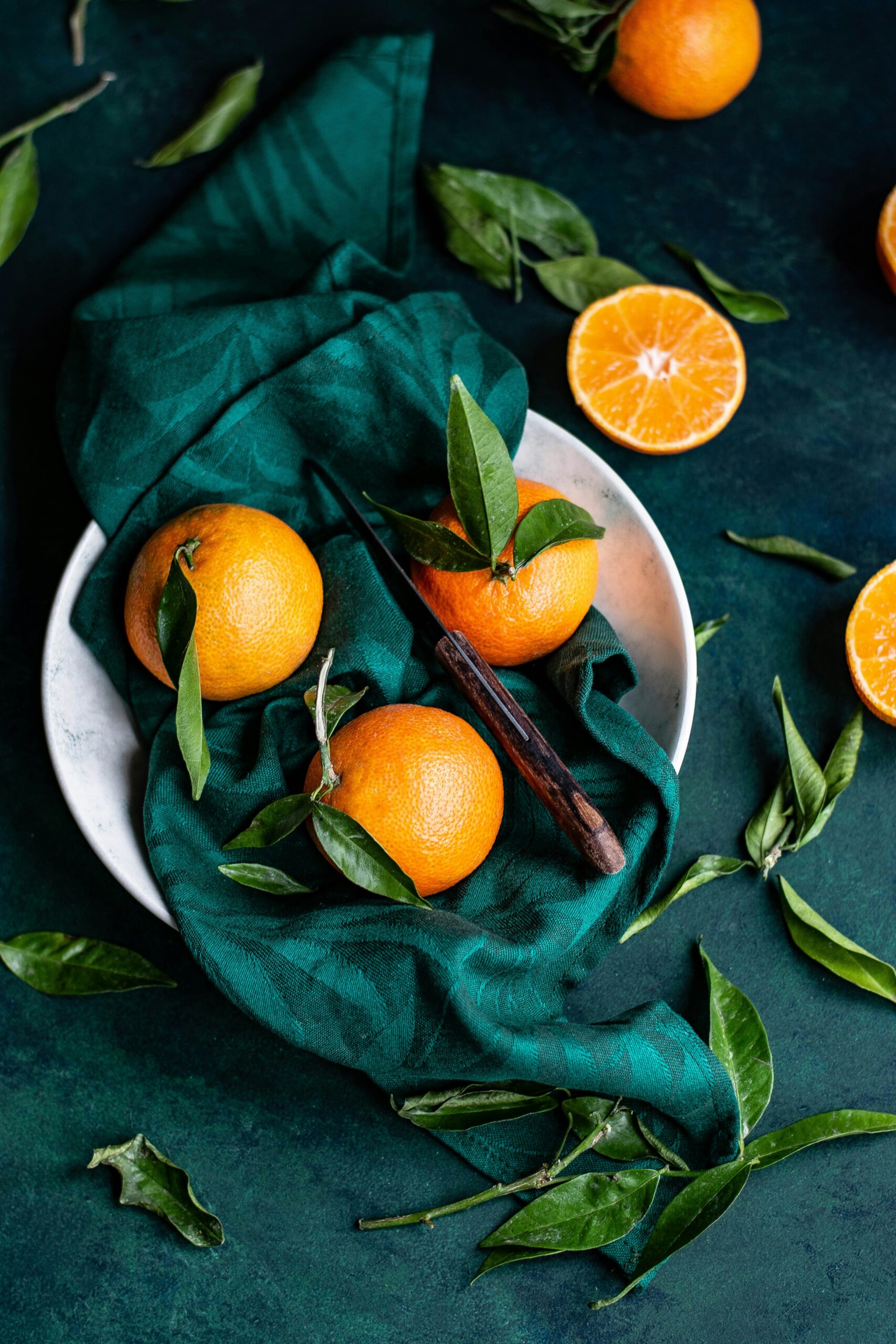
She arranged our desks into two big rings with empty space in the middle. In the middle, she’d place a table with an arrangement of odd things. A sheet draped over boxes, wooden toys and tools, a glass vase, a cow skull, mechanical objects, dried plants… Anything really. Our goal for the next couple of weeks was to come in and start drawing that still life setup. Every time you sat at a new desk, you’d get a new angle, challenging you with a new perspective.
While this exercise didn’t thrill me, it was incredibly powerful. A big reason is learning how to draw is actually learning how to see.
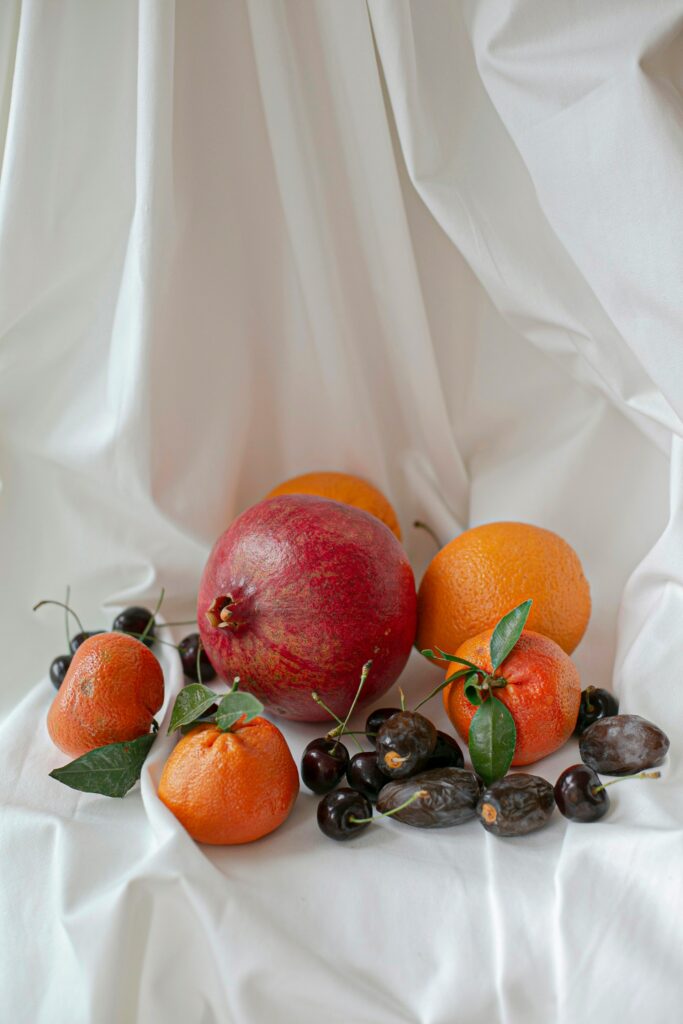
Your brain is efficient. It takes shortcuts constantly. When you look at a car, your brain doesn’t process every detail—it recognizes “car” and fills in the rest with what it thinks a car should look like. When you look at a hand, your brain recognizes “hand” and moves on. This autopilot is great for navigating the world and making split second decisions, but it’s terrible for creating art.
Still life studies force you to slow down and actually look at what’s in front of you. You can’t rely on shortcuts or assumptions. You have to observe the real angles, the true proportions, the way light actually hits the surfaces, the shadows that form in unexpected places.
This ability to not just look, but SEE is essential for every artist, and still life studies challenge you to develop that very skill. It’s the foundation upon which all other artistic skills are built. Whether you’re drawing portraits, landscapes, or even abstracts, your ability to observe accurately plays a large role in your work.
Still life studies give you a reliable subject and a controlled space to develop this critical skill.
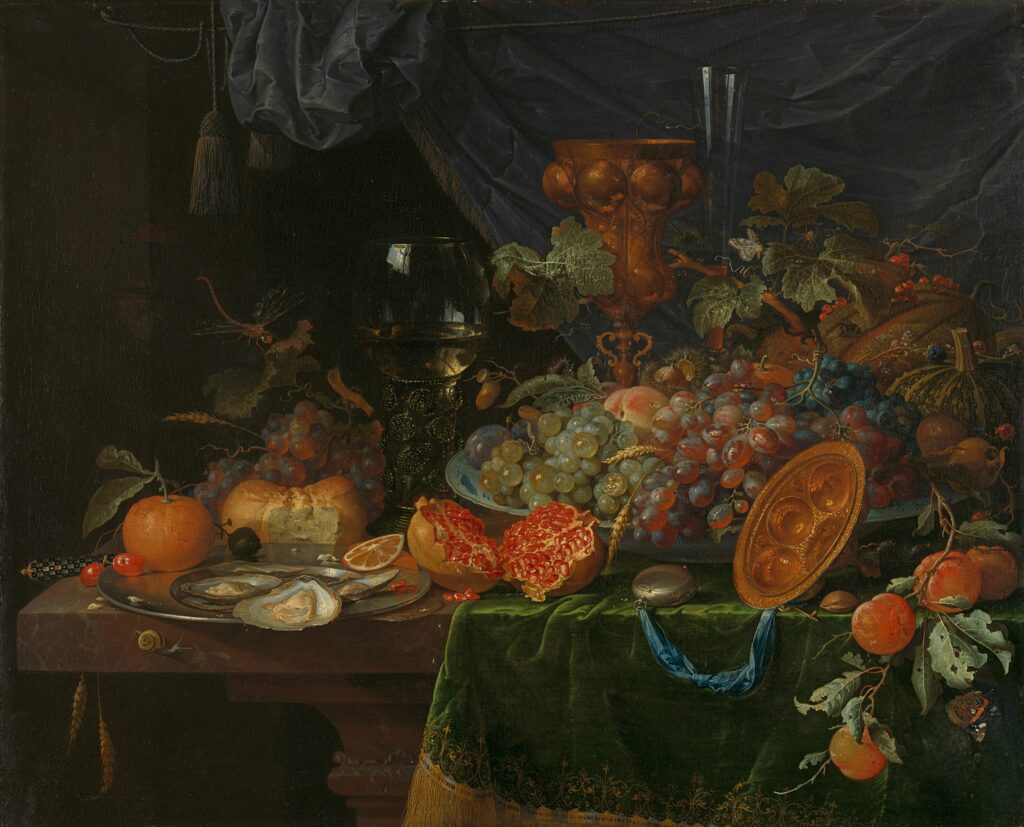
#2: Building Hand-Eye Coordination
There’s a direct connection between what your eye sees and what your hand draws. The stronger that connection, the more accurately your hand can translate what you observe onto the page.
Still life studies are the perfect training ground for building this skill.
When you sit down to draw a still life arrangement, you’re practicing the same fundamental task over and over: look, observe, translate to paper. Look, observe, translate. This repetition is what builds reflexive skills.
Every time you draw a line, your brain is recording information. With each mark you make, you’re building neural pathways between your eyes and your hands. You’re developing muscle memory, the ability for your hands to respond instinctively to what your eyes see, without conscious thought.

Think about it like learning to play an instrument or learning to type on a keyboard. At first, it’s slow and deliberate. You have to think about every movement. But with repetition, your hands learn to respond automatically. For example, I can never remember the actual numbers of a PIN well enough to say them out loud, but my hand can punch them in easily. The same thing happens when you draw.
Still life studies provide the perfect low-pressure environment for this practice. The objects aren’t going anywhere. You can take your time. You can repeat the same angles, the same lighting conditions, multiple times if you want. And each time you do, your hand-eye coordination gets stronger.
This improved coordination transfers to everything you create. Your portraits become more accurate. Your landscapes feel more dimensional. Your ability to capture what you see translates across all your artistic work, and you get faster and faster.
#3: Understanding and Thinking in 3D
Still life teaches you how to think in three dimensions.
When you’re drawing a 2D representation of a 3D object, you have to understand how that object actually exists in space. You need to grasp perspective, depth, and form. You need to understand how angles change depending on your viewpoint. You need to see how objects relate to each other spatially.
This is harder than it sounds.
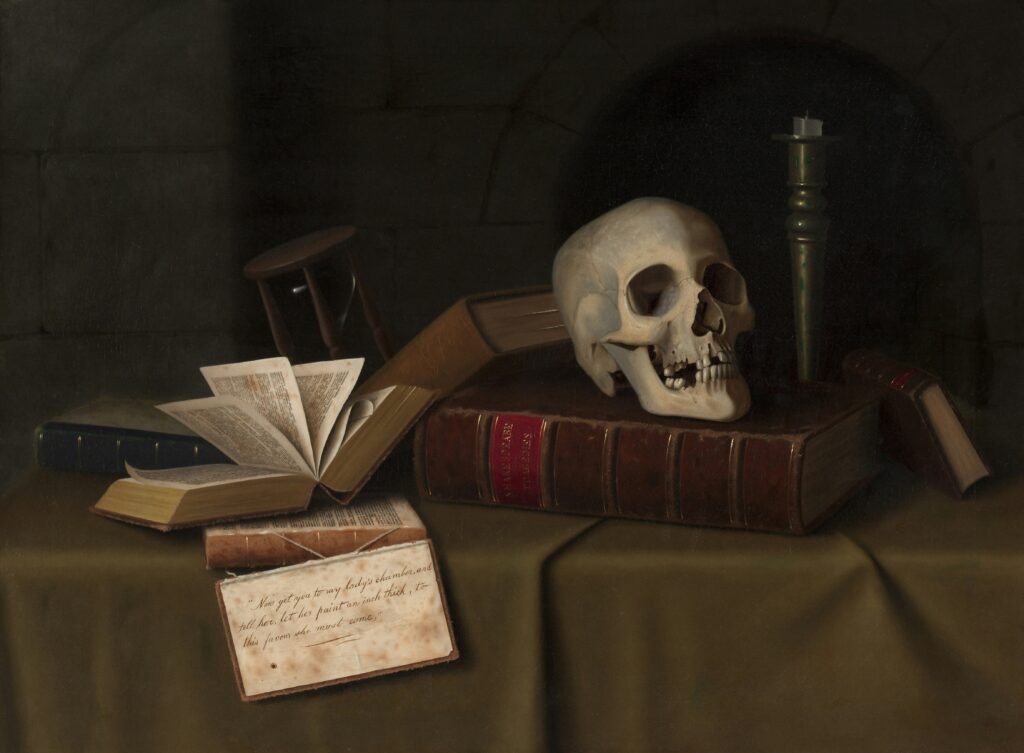
In Mrs. Johnson’s class, every time we sat at a new desk, we got a new angle on the same still life arrangement. From one side, the drapery fell one way. From another side, it draped completely differently. The objects that seemed close together from one perspective appeared far apart from another. Each new vantage point revealed something different about how those objects existed in three-dimensional space.
This repetition—seeing the same objects from multiple angles—builds something invaluable: a mental library of how things exist in space. You start to understand not just what something looks like from one angle, but how it transforms depending on where you’re viewing it from. You develop an intuitive sense of perspective, depth, and spatial relationships.
Once you understand how objects exist in 3D space, you can draw them from any angle. Even angles you’ve never seen before.
Those still life studies way back in high school played a big hand in helping me draw people better. Why? Because humans are 3D objects just like a book or a vase, and they exist in a 3D space. Little did I know it then, but those boring studies of objects brought me closer to my personal figure drawing goals.
This 3D thinking is a foundational skill for most things you’ll create as an artist.
#4: Color Theory & Mixing
Another way still life studies can foster your artistic growth is through color theory and color mixing.
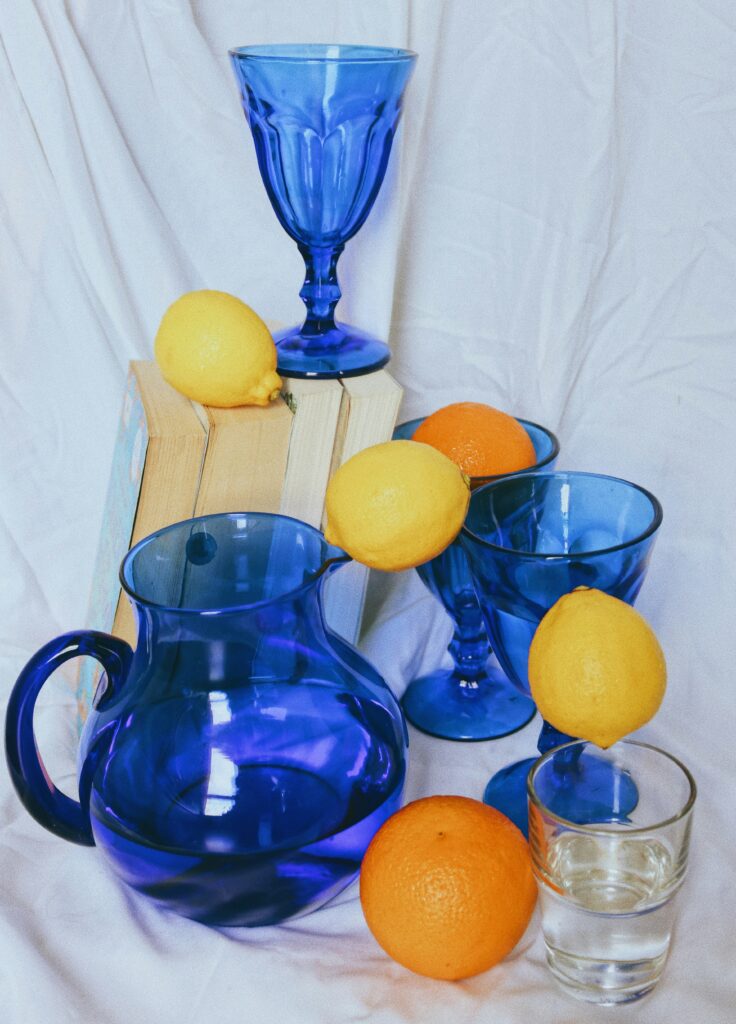
When you’re working with a still life arrangement, you have complete control over the lighting and the colors. The objects aren’t moving. The light isn’t changing (unless you want it to). This controlled environment means you can focus entirely on understanding how colors work together and how to mix accurate tones.
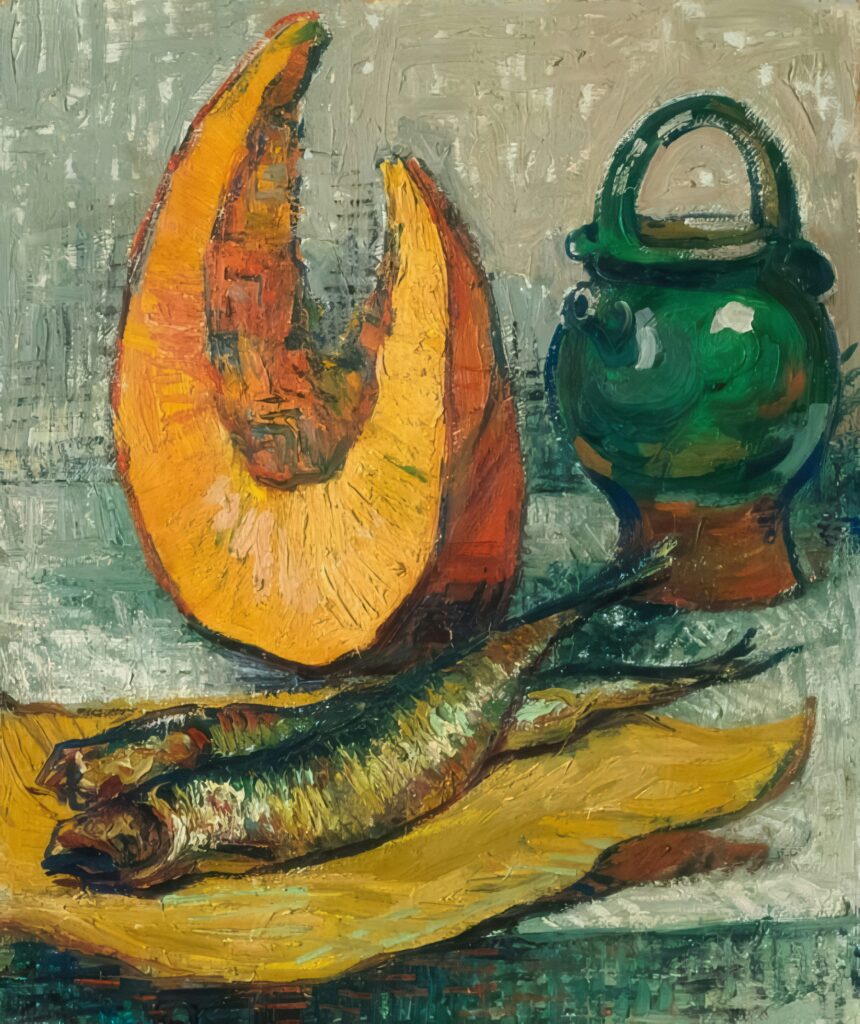
Color theory can feel abstract and overwhelming when you’re learning it. But still life studies makes it tangible. You can see in real time how a warm color interacts with a cool color. You can observe how a color appears different depending on what’s next to it thanks to bounce lighting. You can watch how shadows aren’t just “darker”—they often contain complementary colors or unexpected hues.
As you practice mixing colors in still life, you build a wealth of knowledge. You learn how to mix better skin tones by observing the subtle colors in fabric or fruit. You understand warm and cool shadows by studying how light hits different surfaces. You discover that the “white” of a piece of ceramic isn’t actually pure white—it’s influenced by the colors around it.
And that knowledge transfers everywhere. Once you understand color mixing through still life studies, you can apply those lessons to portraits, landscapes, digital art, or any medium you choose.

#5: Learning Composition
Composition is a foundational aspect of visual art. It’s the skill of arranging elements in a way that guides the viewer’s eye, creates balance, and communicates your artistic intention. And still life is one of the best places to learn it and practice it.
When you’re drawing a still life arrangement, you’re not just copying what you see. You’re learning to think about why things are placed where they are. How does the placement of one object affect the viewer’s perception of another? Where is the focal point? How does your eye move through the composition? What creates balance? What creates tension?
These are universal design questions. They apply to every form of visual art—portraits, landscapes, figure drawing, digital art, illustration, photography. The principles of composition don’t change whether you’re arranging apples and drapery or arranging people in a scene.
By practicing composition in still life studies, you’re developing a skill that strengthens everything you create. You learn to see like a designer, not just a doodler. You start to understand that art isn’t just about accurately depicting what you see; it’s about intentionally arranging visual elements to create a cohesive, engaging whole.
This foundational understanding of composition becomes second nature. And when you move on to more complex subjects, you’ll already have this essential skill in your toolkit.
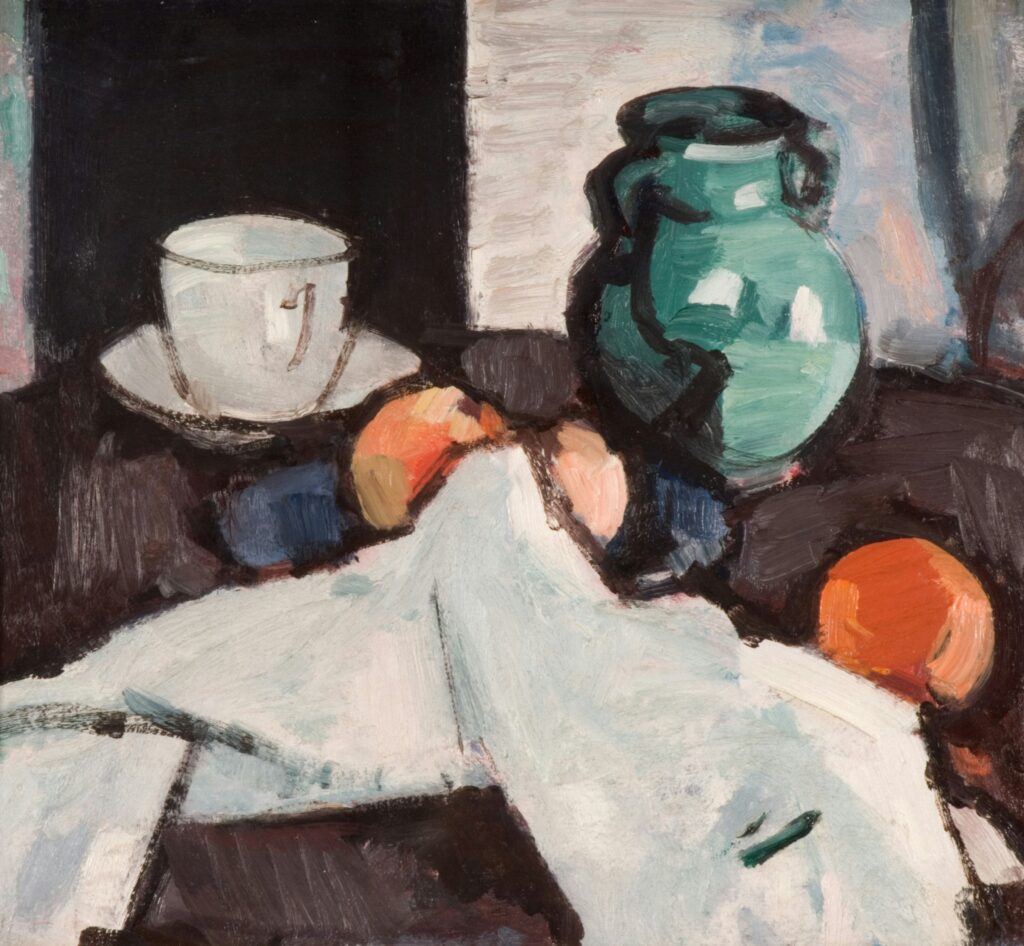
#6: Material Mastery
Still life is a perfect playground for experimenting with different materials and learning how they work.
Every medium behaves differently. Charcoal has its own rules. Watercolor has its own logic. Oils, colored pencils, pastels, digital tools—they all respond differently to your hand and require different techniques. Learning how each material works takes time and practice.
Still life studies give you the space to do that exploration. You can try a new medium on a still life arrangement without the pressure of a more complicated subject. You’re learning the tool, understanding its strengths and limitations, discovering what you can and can’t do with it.
This experimentation builds confidence. Each time you work with a material, you learn a little more about how to control it. You discover techniques. You understand its quirks. You develop an intuition for how to use it effectively.
Still life is where you can build a robust material toolkit. And the stronger that toolkit, the more ambitious and successful your future projects will be.
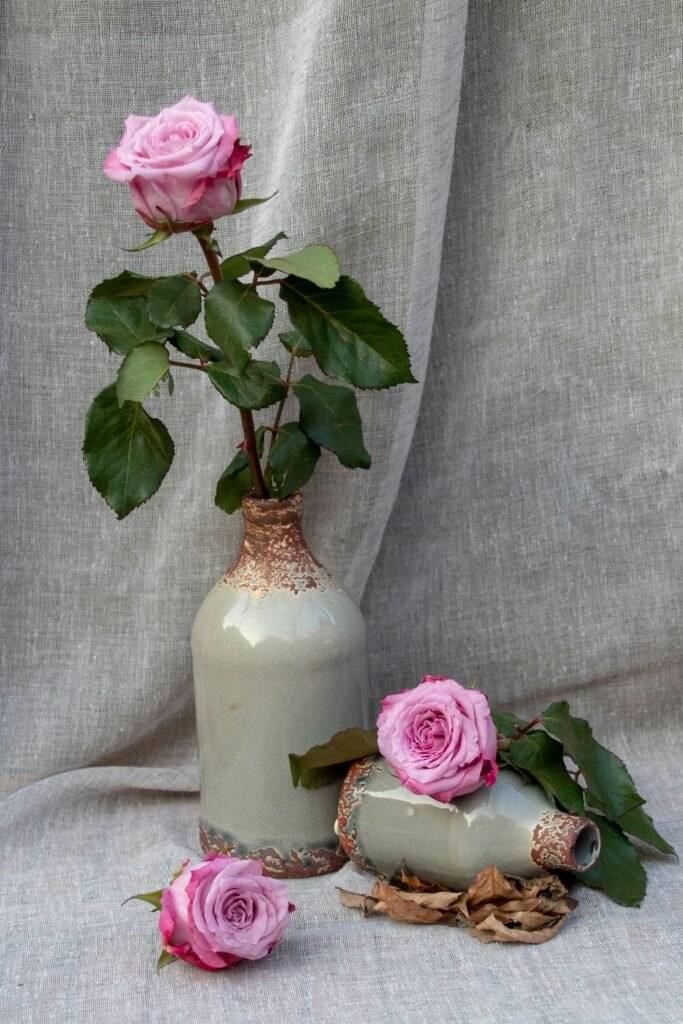
#7: Problem-Solving & Creative Thinking
Art is constant problem-solving. Every time you create something, you’re faced with challenges that require creative thinking and innovative solutions. The more comfortable you are with tackling difficult problems, the better artist you become.
Still life studies present lots of problems to solve.
How do you capture the shine on glass? How do you render the texture of fabric so it actually feels like fabric? How do you show the translucency of fruit—that sense of light passing through it? These are challenging tasks. They require you to think critically about technique, about how to use your materials, about what visual strategies will communicate what you’re trying to show.
When you sit down to solve these problems, you’re not just learning to draw glass or fabric or fruit. You’re developing your problem-solving muscle. You’re learning to approach challenges with creativity and persistence. You’re building confidence in your ability to figure things out.
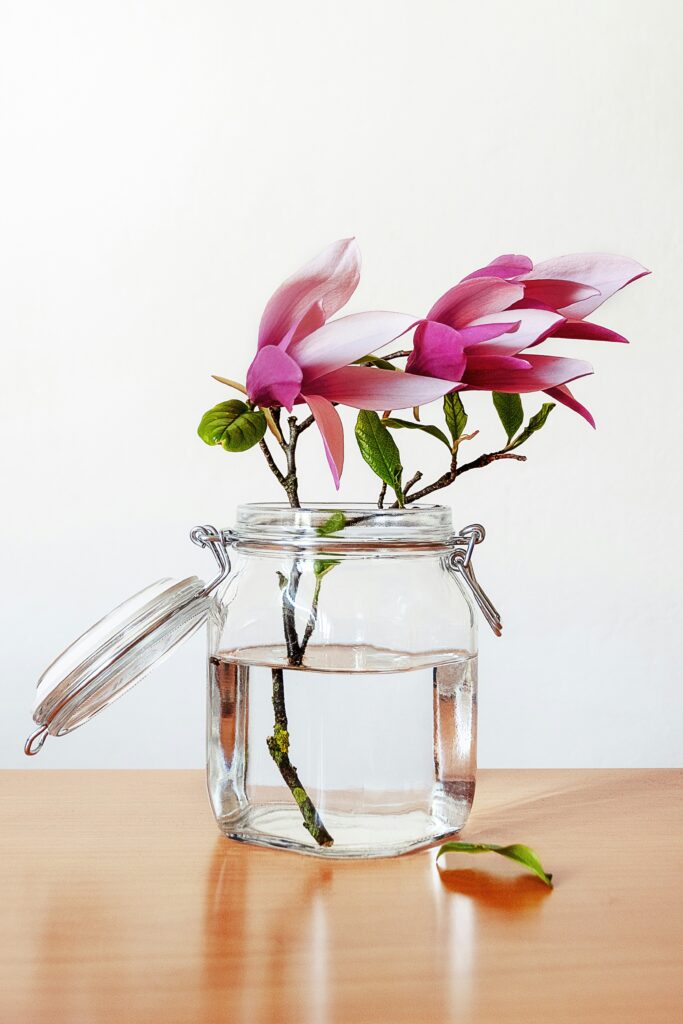
#8: Patience, Discipline & Mindfulness
There’s often a temptation in art to rush. To skip steps. To get to the “good part” as quickly as possible. But the longer I’ve been an artist, the more I realize that things take time and patience. There is lots of value in the nitty gritty process if you simply slow down to appreciate them.
Still life studies teach you to slow down, breathe, and be present in the scene you are drawing.
When you’re drawing a still life, you can’t skip ahead. You can’t skip the foundational work and jump to the final details. The practice itself demands that you be intentional and deliberate with every mark you make.
This forces discipline. You learn to sit with the work. You learn to observe carefully before you act. You learn that the time spent looking is just as important (maybe more important) than the time spent drawing.
And something interesting happens when you embrace this pace: it becomes meditative. The act of slow, careful observation quiets your mind and brings you into a flow state. You’re just there, looking, seeing, drawing. Bliss.
This discipline and mindfulness build good habits. You become a more thoughtful, deliberate artist. And that shows in your work.
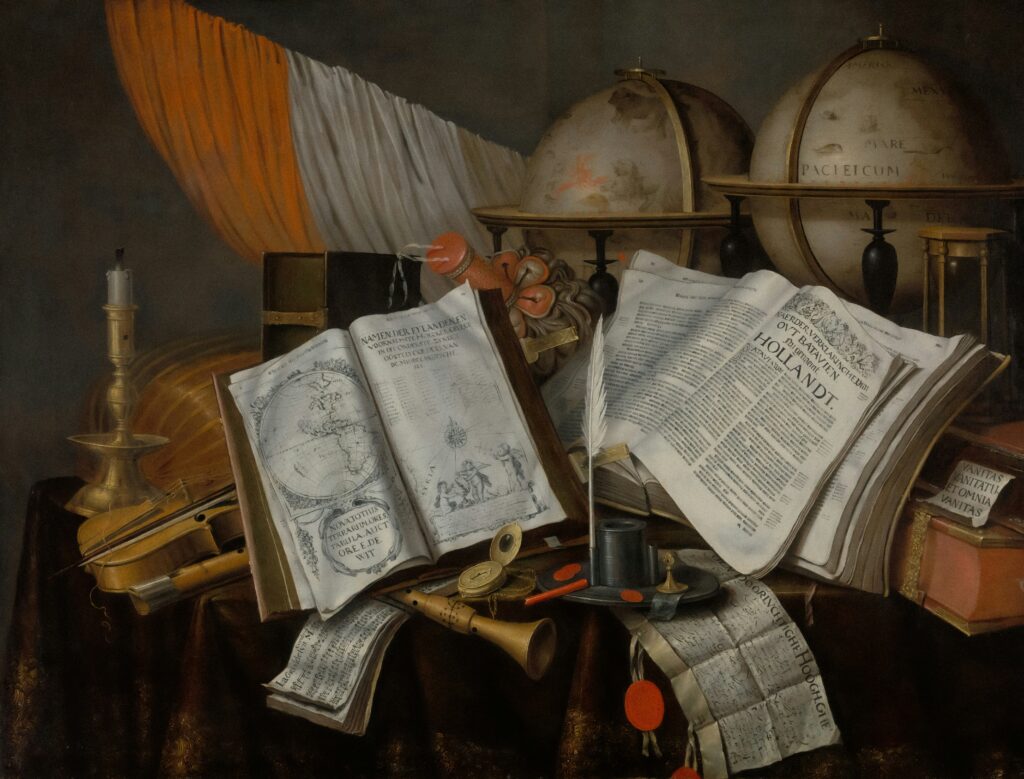
Push Yourself Past Discomfort or Disinterest
I get it. I really do. Still life studies aren’t glamorous, flashy, and daring. But artists should do still life studies for the many different ways that it can help you grow your skills.
You see still life paintings pop up across hundreds of years of art history. You see it because it is a powerful method for developing your skills as an artist.
When a practice shows up consistently across centuries, across cultures, across different artistic movements, there’s usually a good reason. It’s not a coincidence that still life is still being taught in art schools and studios around the world.
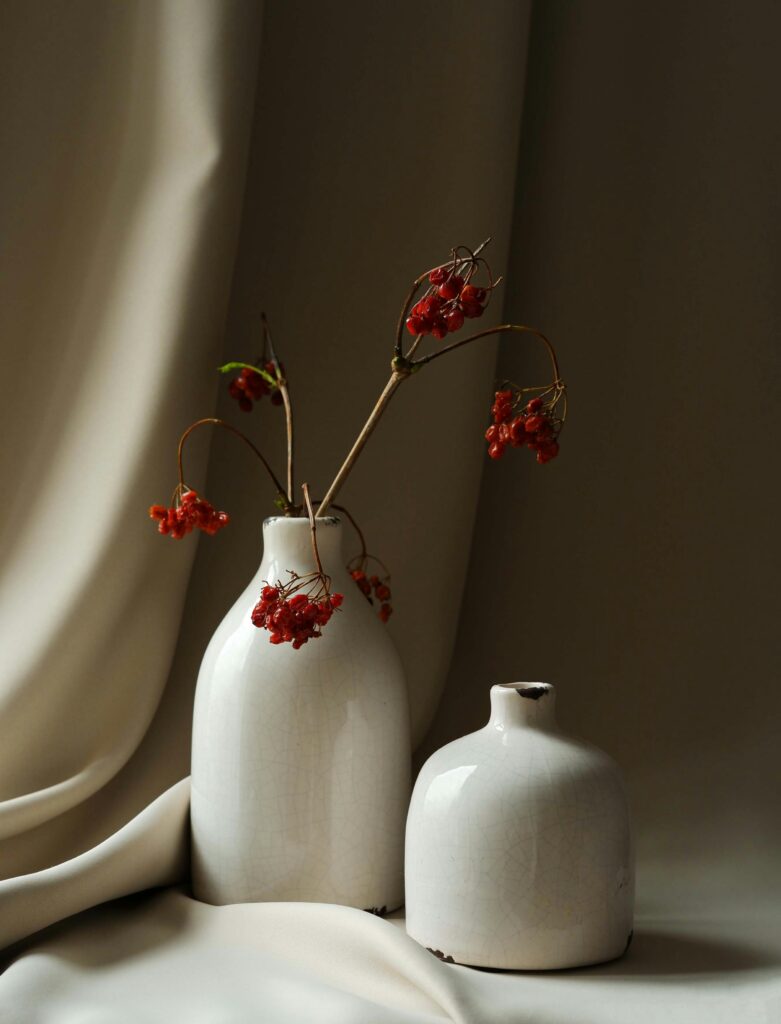
So here’s my challenge to you: push yourself to try drawing or painting still life studies, even if they don’t initially interest you. Yes, still life might seem boring. But if it’s a common practice for artists, there’s probably a good reason. The best way to figure out if something is helpful to you is to do it a few times. Really commit to it. Give it a genuine chance.
You might surprise yourself with how much you learn. And you might discover that what seemed boring on the surface is actually a gateway to a new medium, style, or breakthrough that you could never have expected.
See The Process In Real Time
Now you know why artists should do still life studies. I’ve explained the real, tangible benefits, from developing observation skills to 3D thinking to composition and color theory.
But knowing all this won’t make a bit of difference unless you put that knowledge into practice.
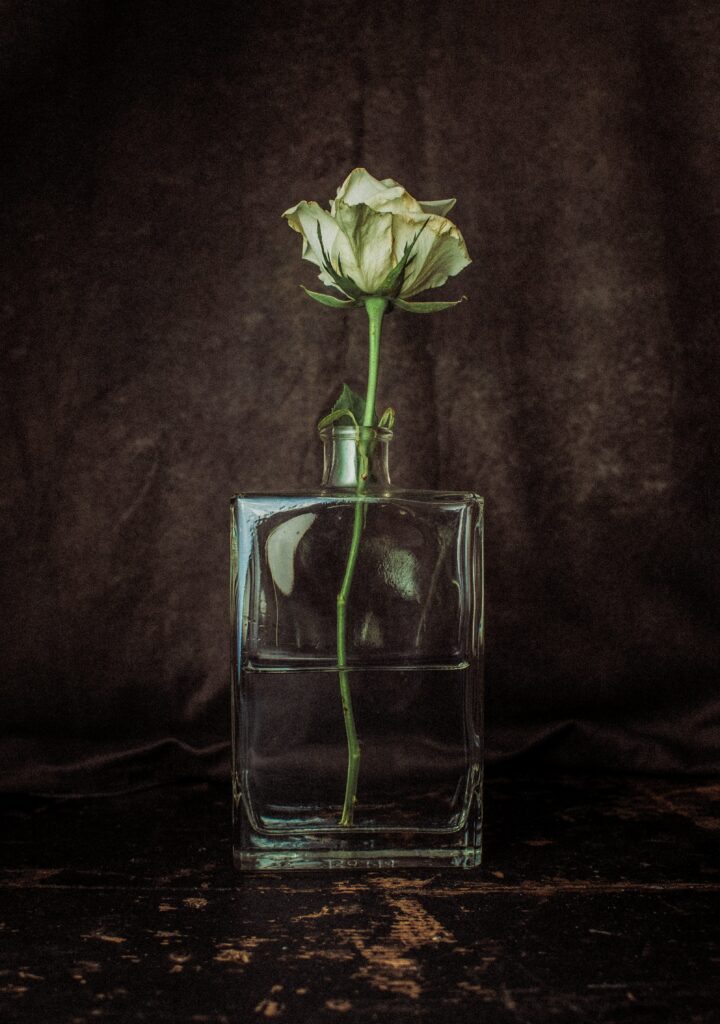
If you want to see how I build a still life from scratch, check out my still life speed painting on Foxsy. You’ll get a peek inside the process of building the foundation of the drawing and fleshing it out, all in an hour. This is meant to give you insight into how to approach your own still life drawings and how to go about the problem-solving process yourself.